
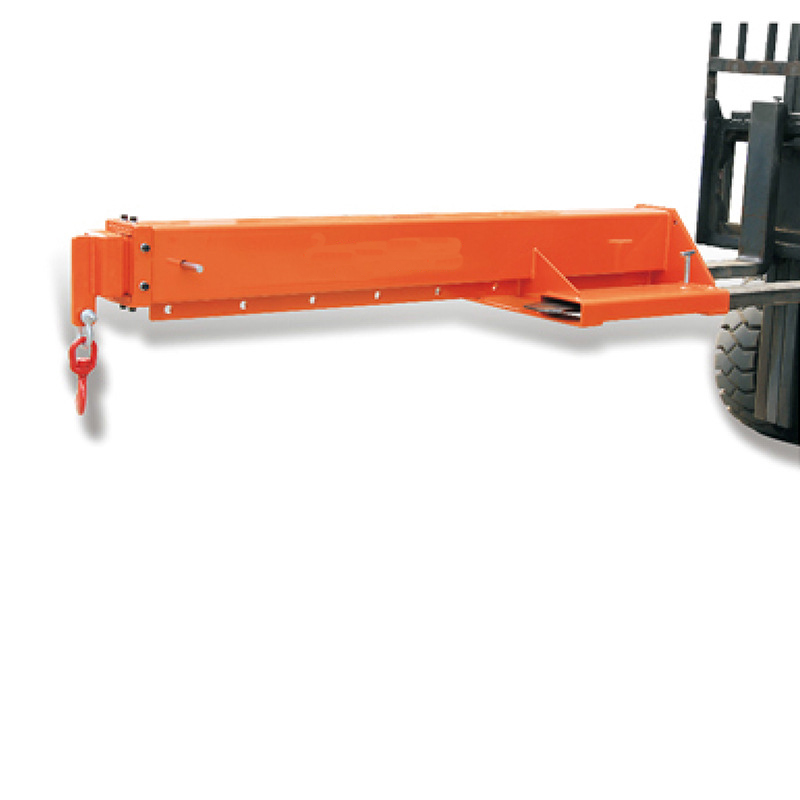
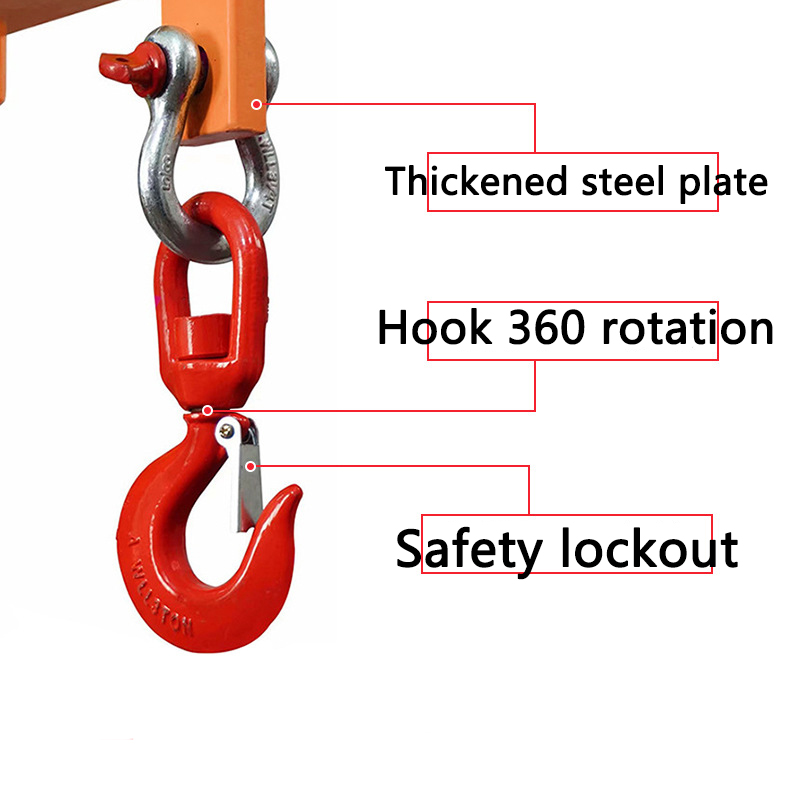
Forklift arms are the core components of forklifts, mainly used for installing forks or attachments, and for carrying, stacking, and other operations of goods. Here is a detailed introduction:
Basic functions
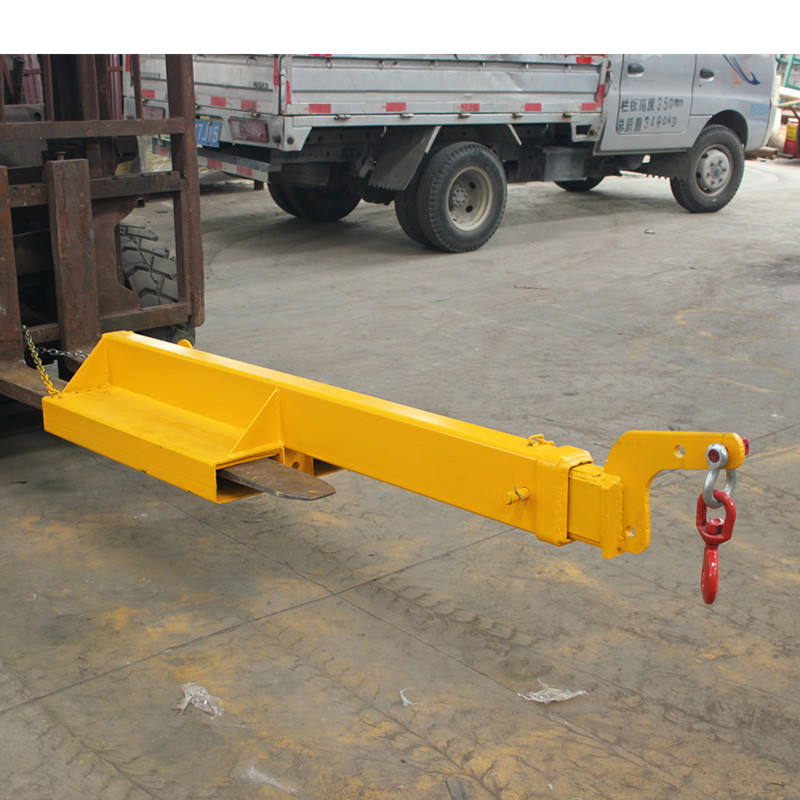
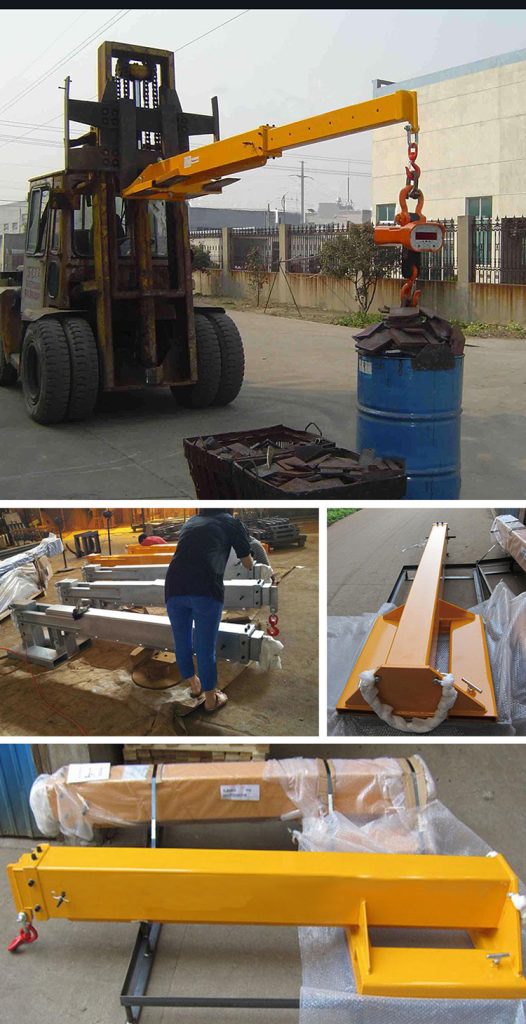
Forklift arms are connected to forks or attachments (such as cranes and buckets) to enable forklifts to load, lift, stack, and transport goods over short distances. Its structure needs to adapt to different working conditions, such as crossing obstacles, crossing holes and other complex working environments.
Main types
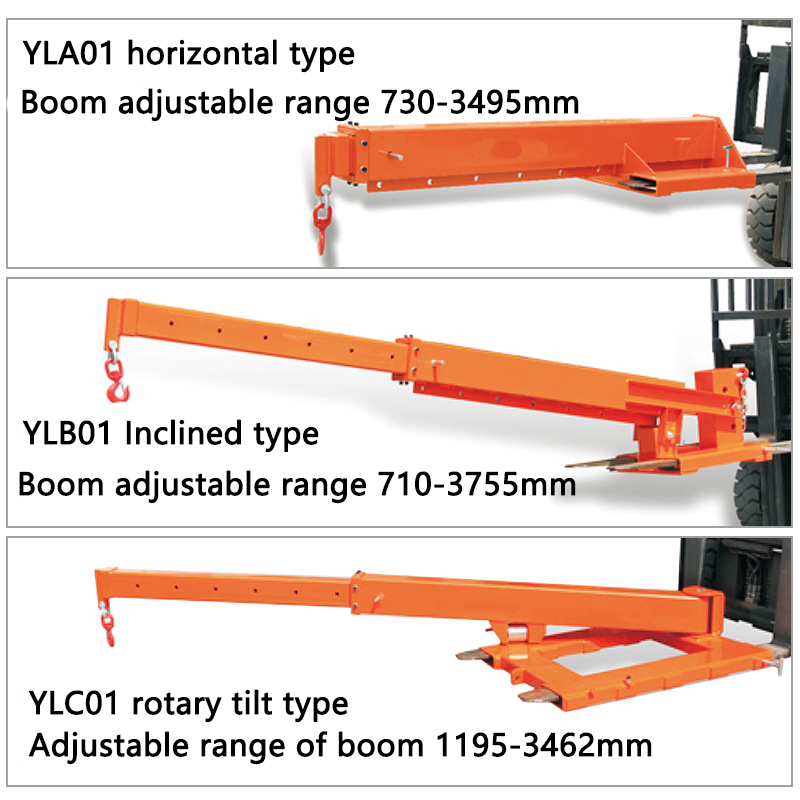
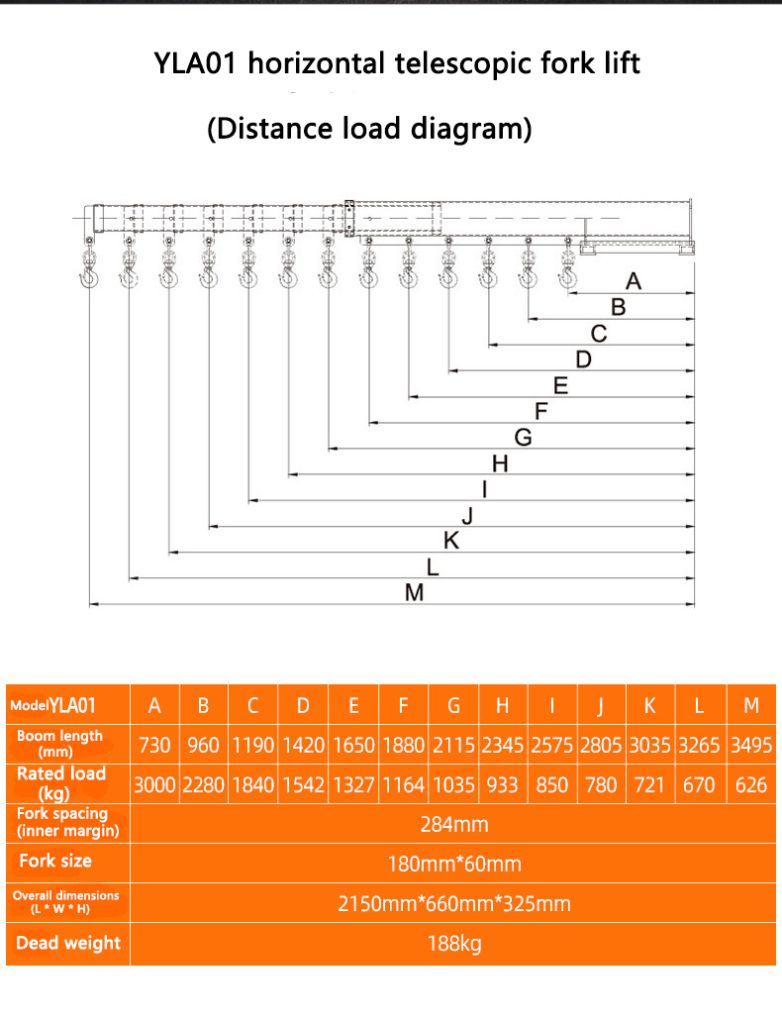
A-type fork boom: commonly used in indoor and outdoor general forklifts, suitable for general handling needs.
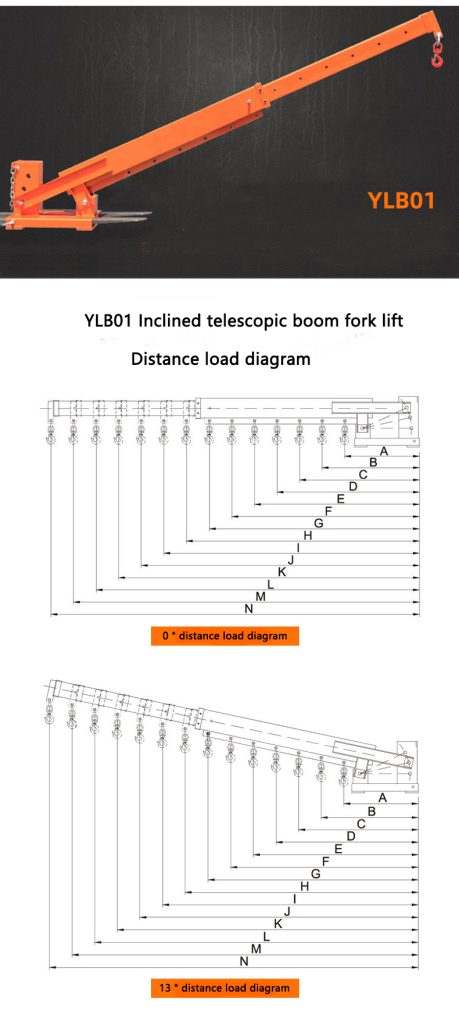
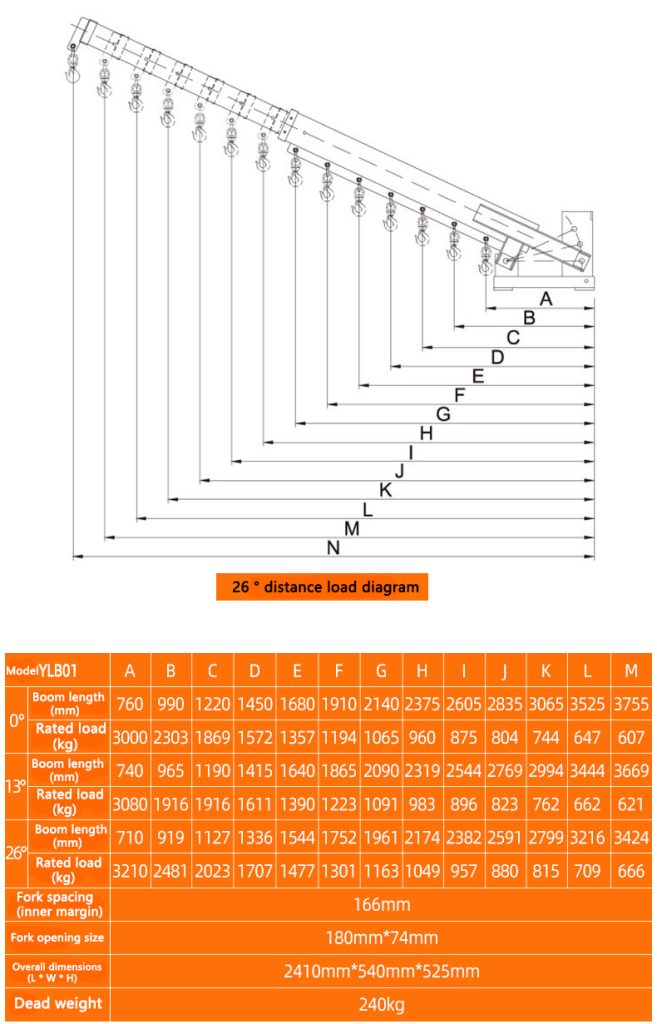
B-type fork arm: specially designed for outdoor use, usually used for heavy or special terrain operations.
structural composition
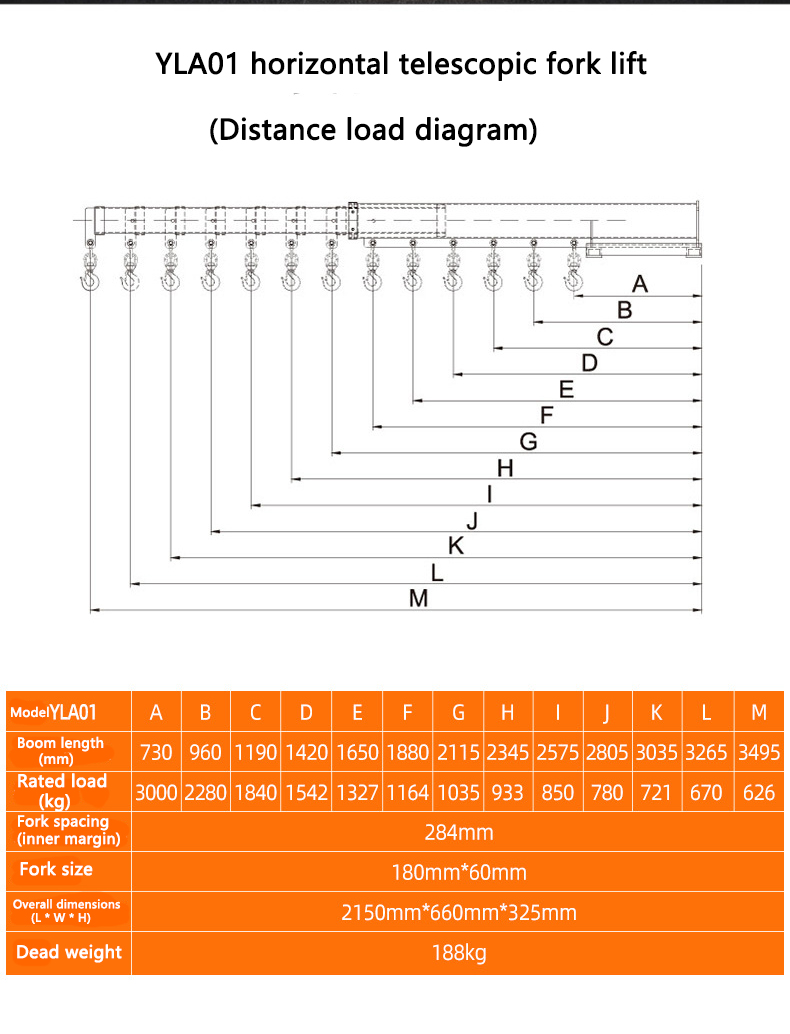
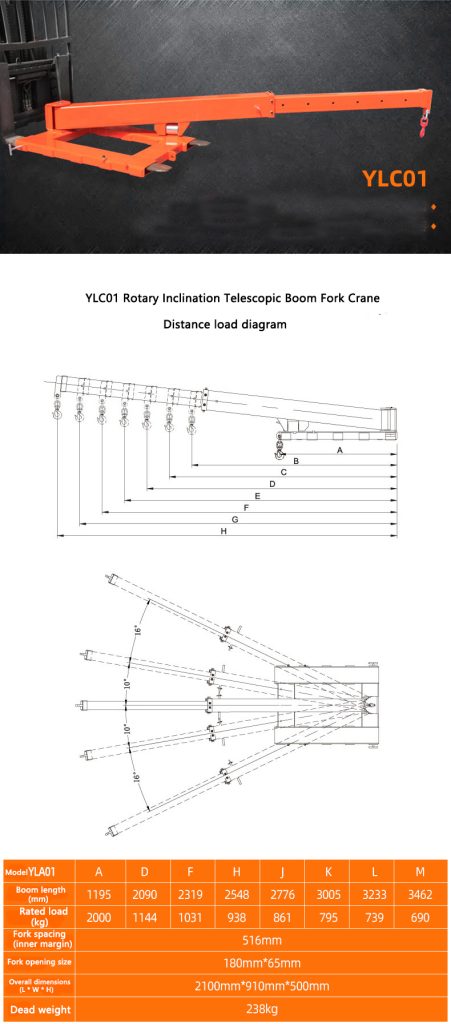
Telescopic arm: Some models (such as telescopic forklifts) adopt a multi section telescopic structure, which can adjust the length to meet different height requirements.
Cantilever/bracket: Fixed fork or accessory, partially achieved self-locking positioning through a positioning cylinder.
Sliding plate body: used to press the fork tightly to ensure operational stability.
Reviews
There are no reviews yet.